The floor has always had the answers.
Sensors on your machines. A real-time kiosk on the floor. An AI brief that tells you what happened this shift, and why. Built on the factory floor of a working food plant and proven in live production.
A complete intelligence layer for the floor.
Sensors on the equipment. A real-time kiosk on the floor. An AI layer that turns every shift into analysis your team can act on: downtime, SKU performance, shift results. No SCADA integration, no six-month rollout, and every surface works in English and Spanish. Below is one line over one week, the way Gemba Labs reads it.
525 run · 75 stop
540 run · 60 stop
495 run · 105 stop
525 run · 75 stop
At a glance: Monday ran clean. Tuesday recovered from a rough start. Wednesday stalled out mid-day, with stops clustering through lunch. Thursday was down, Friday recovered. Five days, one chart, no pivot tables.
"Wednesday's mid-day stall is the third Wednesday in six weeks with the same shape: amber pacing from 11:00 to 14:00, with mechanical and changeover stops clustering through lunch. Inside that 3-hour window, the line ran below goal pace for 135 of 180 minutes, missing ~1,700 cycles against plan. Worth investigating as a recurring signal, not an isolated bad day."
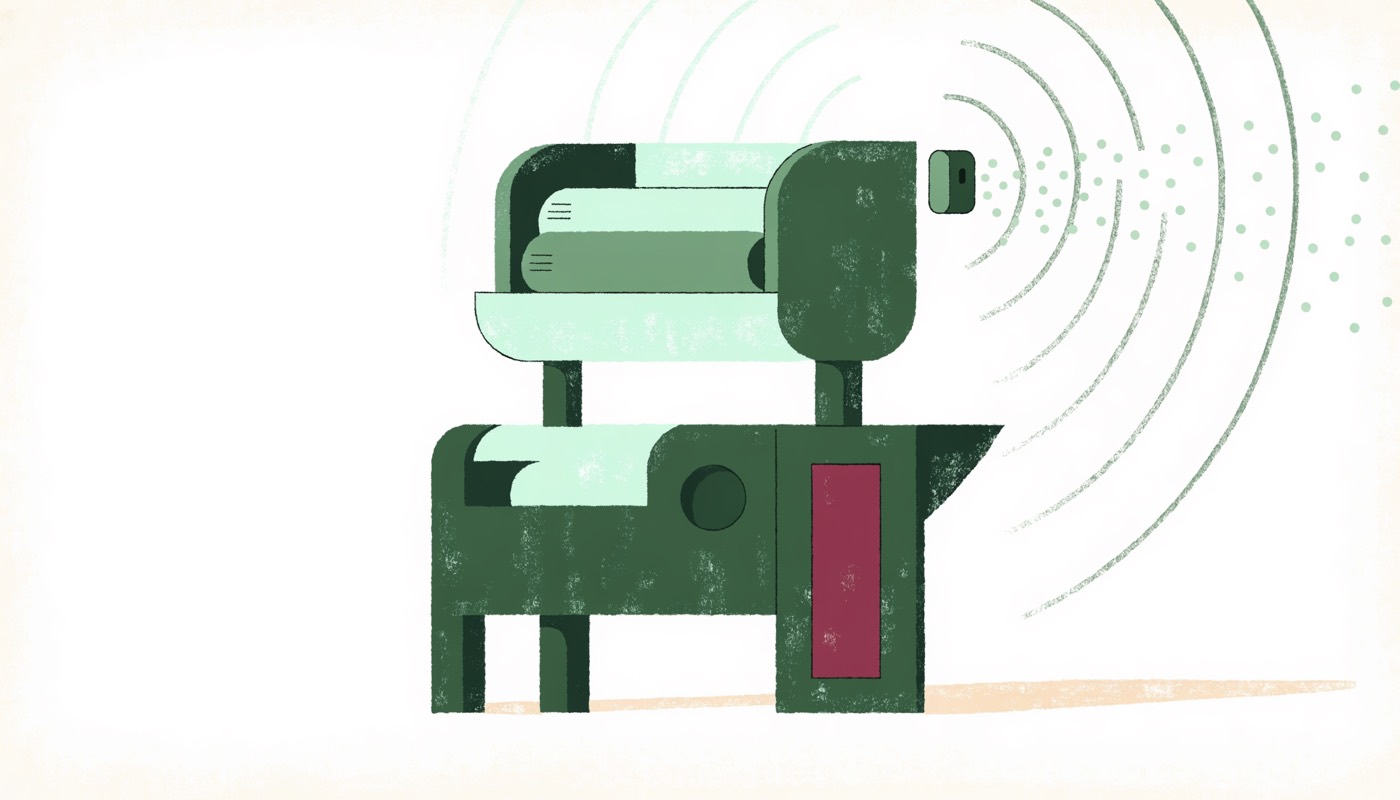
The work happens on the floor.
Gemba (現場) is the Japanese word for "the real place," where the work actually happens. For 80 years, it's been the principle behind the best manufacturing improvements: go see, don't assume. Modern monitoring tools forgot that. They show dashboards full of numbers without context, disconnected from the people who understand what the numbers mean. Gemba Labs is built on a different premise.
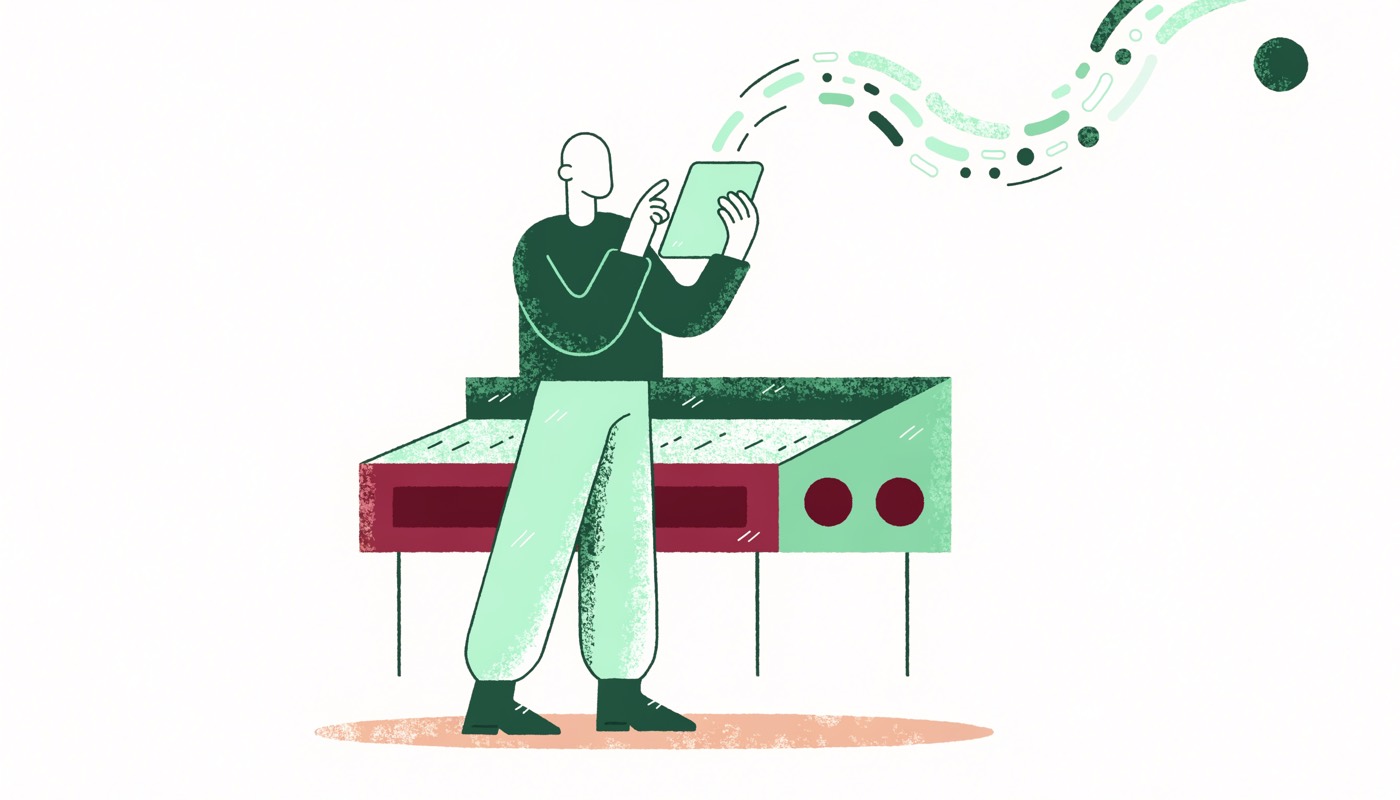
The operator who has watched the bagger jam for three years knows why it jams. A good intelligence system captures what they know, not just what the sensor sees. Operators write notes directly into the system, attached to specific moments on the rate chart. Those notes become the ground truth the AI uses to interpret the shift. Sensor data on its own produces analysis that sounds right. Sensor data plus what your operators saw produces analysis that is right.
The AI brief never blames an individual operator. It looks past individual correlation to systemic cause. When it cannot find the cause, it says so honestly. "I don't know. Go look." is a feature, not a limitation. A tool that fakes confidence loses your trust the first time it's wrong. One that tells you when it doesn't know earns it. That honesty is built in, not bolted on at the end.
Most monitoring software is the same on day one as it is on day one thousand. Gemba Labs learns. Proto-patterns identified in week one become confirmed patterns by month three. The weekly brief at week twelve is sharper than the weekly brief at week one, not because the model improved, but because the institutional memory did. Every shift makes the next shift's analysis better.
The food manufacturing deployment is the proof of concept. The pattern (sensors plus human observation plus AI interpretation) fits any industry where production happens in cycles, where human context matters, and where the gap between what the floor knows and what management sees is currently wide.
Running now, on a live floor.
Gemba Labs runs in live production at a mid-sized food manufacturer. Two production lines, three machines, monitored continuously through every shift. Operators tag downtime and rework as it happens, and plant leadership gets AI intelligence reports covering downtime, SKU performance, and shift results. The longer it runs, the sharper it gets about this specific plant.
per day
reports
per line
both languages
Small and mid-sized food manufacturers. Plants that know they need better visibility but aren't going to buy a half-million-dollar MES, aren't going to wait nine months for an implementation, and aren't going to tolerate another SaaS tool that generates more charts than answers. If your operators know more about your machines than your software does, Gemba Labs is built for you.
Watch it run on a real production line.
A 30-minute live demo, straight from the floor: real machines, real shifts, real reports. Leave your email and we'll reach out to schedule it.
Your floor already knows where the problems are. The FIR interviews every role in your plant, owner to operator, and synthesizes what they say into a written report: where accounts disagree, what lives in one person's head, and what nobody is writing down. No sensors, no install. A natural first step.